6 Smart Space-Saving Strategies for Expanding Businesses


As a business grows, its space demands often grow with it, sometimes faster than expected. Whether you’re adding staff, increasing inventory, or creating a new department, maximizing your current square footage keeps operations running smoothly.
From flexible workspaces to smart storage choices, these six smart space-saving strategies for expanding businesses can help your team make room for growth without compromising productivity or comfort.
1. Rework Existing Layouts
Before investing in additional square footage, take a closer look at your current setup. Office layouts often have inefficient pockets of underused space. Rearranging departments or adjusting furniture configurations can open things up significantly.
For example, centralizing high-traffic equipment like printers or creating shared work zones reduces clutter and encourages more collaboration. This type of layout audit is particularly valuable when a remodel introduces new teams or functions into the organization.
2. Use Vertical and Overhead Space
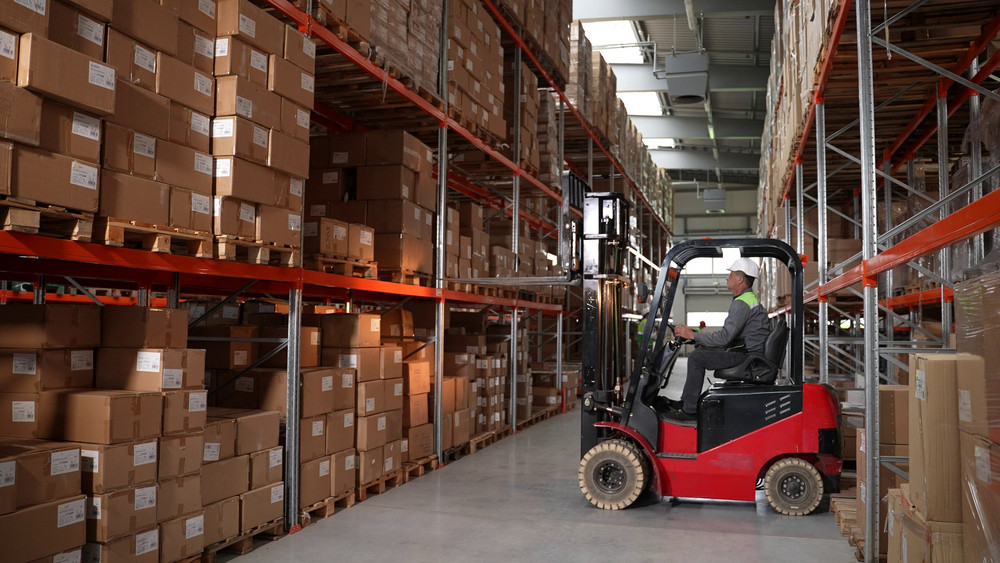
When floor space is tight, think upward. Shelves mounted higher on walls, tall storage cabinets, and units above doorways can make use of areas that typically go untouched. It’s a simple shift in perspective that adds value.
Businesses should use vertical real estate for everything from archived files to product samples. Make sure access remains safe and compliant with local building codes.
3. Hot Desking and Mobile Workspaces
If your team includes hybrid or rotating staff, hot desking avoids dedicating permanent desks to employees who aren’t there every day. Allow team members to use available desks or workstations as needed to prevent unnecessary buildouts.
Pair this with mobile workstations, and you’ve got a space that adapts on the fly. It’s a smart move for creative studios or marketing departments.
4. Employ On-Site or Off-Site Storage
Storage is one of the first things to overflow when a business expands. One of the most effective solutions involves exploring different ways businesses can utilize on-site portable storage. These container-style units hold inventory, tools, or furniture during transitions or remodeling.
Alternatively, off-site facilities provide extra space without crowding a main location. Knowing how to determine the feasibility of self-storage space, though, is important. Consider factors like proximity, access hours, climate control, and security. A smart choice here frees up workspace while keeping essential items within reach.
5. Rotate or Rent Equipment
Not every tool or machine needs to live on-site full-time. If you only use certain equipment periodically, consider rotating it in and out of storage or renting it when you need it.
This strategy minimizes idle items that occupy space and is particularly useful in industries like media production, construction, or events where specialized equipment is expensive and bulky.
6. Design for Dual-Purposes
When space is limited, every square foot needs to earn its keep. Look for ways to make rooms serve more than one purpose, like turning a meeting area into a quiet work zone or using break rooms for team huddles. Furniture with built-in storage or foldaway features makes that flexibility easier to manage.
These six smart space-saving strategies for expanding businesses prove that growth doesn’t have to mean outgrowing a current space. With a little creativity, you can scale up without slowing down.