Mistakes You’re Making With Your Office Layout
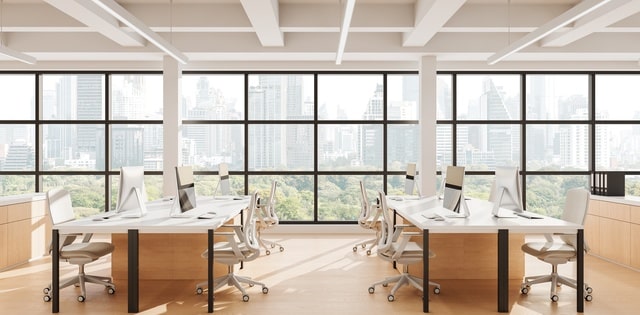

A productive workplace can be the difference between hitting targets and falling short. Yet, many office spaces hinder rather than help employees due to common design mistakes. If you’re wondering why your office feels less efficient, the layout might be to blame.
Let’s explore errors you’re likely making and how fixing them can boost both employee morale and performance while aligning with office design strategies for a boost in productivity.
Neglecting Natural Light
Artificial lighting is standard in offices, but over-reliance on it creates a dull, uninspiring environment. Employees exposed to inadequate natural light often feel fatigued and less motivated.
Workplaces that prioritize access to natural light tend to experience fewer cases of eye strain and increased productivity. Position desks near windows or install skylights to provide every employee with as much access as possible.
Overcrowding Workstations
Attempting to maximize space by packing in too many desks usually has negative effects. Overcrowded workstations cause distractions, reduce privacy, and lead to employee frustration.
Keep the flow of the office in mind by spacing desks adequately. Provide designated quiet zones for focused work, and set boundaries that allow teams to collaborate without disrupting others.
Poor Traffic Flow Design
Unorganized layouts that interrupt movement make it harder for employees to complete tasks efficiently. Narrow paths between desks and cluttered hallways slow workflow, reduce safety, and even increase stress levels.
Create an intuitive design with open walkways and clearly defined areas. For example, streamline paths between shared amenities, such as the printer or break room, to avoid unnecessary congestion.
Ignoring Collaborative Spaces
Modern workplaces thrive on collaboration, but failing to dedicate specific areas for group discussions can hinder creativity and teamwork. Having a dedicated space, like a stylish brainstorming nook or a functional conference room, encourages open communication and the sharing of ideas.
It’s essential to strike a balance between individual workstations and inviting team areas. By doing so, workplaces can better meet the diverse needs of employees and foster a more productive environment.
Overemphasis on Aesthetics Over Function
A visually stunning office isn’t always efficient. Investing in flashy furniture or decor without considering practical requirements can hurt employee performance. Prioritize ergonomic furniture design to prevent fatigue, or choose flexible layout options that facilitate different types of workflows. Practicality paired with thoughtful design creates an environment that supports both productivity and style.
Underutilizing Break Spaces
Break rooms often serve as an afterthought, but taking short mental breaks boosts overall creativity and focus. A poorly designed or neglected break area reduces its effectiveness, impacting employee well-being.
Furnish this space with comfortable seating, healthy snack options, and an inviting atmosphere to help your team recharge. Small improvements can make a big difference in employee satisfaction.
Failing to Address Noise Levels
Noise issues are a significant yet commonly overlooked factor that affects employee productivity. Open-plan offices often fall victim to excessive noise levels, which elevate stress and make concentration difficult. Noise-canceling solutions like acoustic panels or soundproof meeting pods are effective ways to solve this issue without overhauling the current design.
Effective office layouts go beyond aesthetics. They consider how employees use spaces, sparking collaboration without sacrificing focus. If you’re ready to rethink your workspace, avoid these mistakes and make progress toward a more efficient office. Give your team an environment that enhances comfort and performance while integrating these office design strategies to boost productivity.